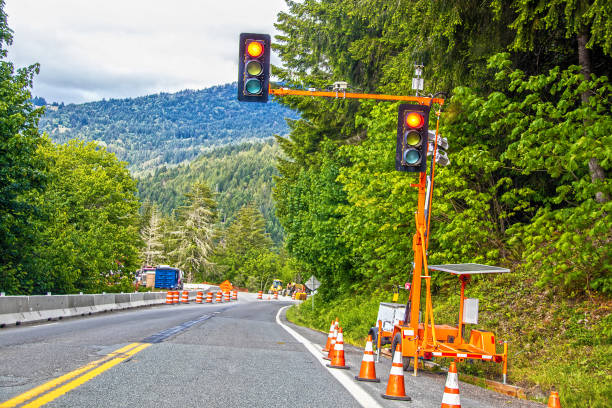
Traffic rules in India are not just laws written in a book they are guidelines created to protect lives, prevent accidents, and ensure smooth movement on our roads. Every day, crores of people travel on Indian roads using cars, bikes, buses, autos, cycles, and even walking on foot. With such a large population and increasing number of vehicles, following traffic rules becomes extremely important. Yet, many road accidents in India happen simply because basic rules are ignored. This blog highlights the importance of traffic rules, the common rules everyone should know, and how responsible driving can create safer roads for all.
Why Traffic Rules Are Important
India records one of the highest numbers of road accidents in the world. According to various road safety studies, a large percentage of accidents are caused by overspeeding, drunk driving, not wearing helmets or seat belts, and careless road behavior. Traffic rules help in reducing these risks by guiding people on how to drive safely.
Traffic rules also ensure discipline. Without rules, Indian roads would be chaotic, and driving would become stressful and dangerous. Rules maintain order, reduce confusion, and help drivers predict what others on the road are likely to do. This makes driving smoother and more peaceful.
Common Traffic Rules Everyone Should Follow
1. Wear Helmets and Seat Belts
This is one of the simplest and most effective rules. Wearing a helmet while riding a two-wheeler can reduce the chances of serious head injuries. Similarly, seat belts in cars protect passengers during sudden braking or collisions. Still, many people skip this basic rule, thinking accidents only happen to others.

2. Follow Speed Limits
Overspeeding is one of the biggest causes of accidents in India. Speed limits are set based on road conditions and traffic density. Following them helps drivers stay in control and react quickly if something unexpected happens.
3. No Drunk Driving
Alcohol slows down reaction time and reduces judgment. Even a small amount can make driving unsafe. This is why Indian law has strict penalties for drunk driving. It puts not just the driver but everyone on the road at risk.
4. Do Not Use Mobile Phones While Driving
Using a phone divides attention, and even a 2-second distraction can cause a major accident. Many people try to take calls, reply to messages, or scroll social media while driving, but this is extremely risky.
5. Respect Traffic Signals
Red means stop, yellow means slow down, and green means go. But many drivers try to jump red lights to save time. This dangerous behaviour often leads to collisions at intersections. Following signals keeps all road users safe.
6. Use Indicators and Follow Lane Discipline
Indicators communicate your next move to other drivers. Lane discipline helps traffic flow smoothly. Sudden lane changes without signals confuse and endanger others on the road.
7. Give Way to Emergency Vehicles
Ambulances, fire brigades, and police vehicles need to move quickly. Every second counts in emergencies. When drivers refuse to give way, lives can be lost. It is every citizen’s duty to allow them to pass.
8. Do Not Overload Vehicles
Overloading affects vehicle balance, increases stopping distance, and puts passengers in danger. This is common in some areas, but it is illegal and unsafe.
How Following Traffic Rules Helps Everyone
When people follow traffic rules, accidents decrease, traffic moves faster, and roads become safer for everyone drivers, passengers, cyclists, and pedestrians. It also reduces road rage and stress. A disciplined road system creates a better experience for all.
Traffic rules also help in building a responsible society. When children see adults following rules, they learn the importance of safety from a young age. This creates a future generation of responsible drivers.
Conclusion
Traffic rules in India are not meant to trouble people they exist to protect them. A few seconds saved by breaking a rule can lead to a lifetime of regret. If every individual takes road safety seriously, India can drastically reduce accidents and make traveling a smoother and happier experience.
Driving responsibly is not just the job of traffic police; it is the responsibility of every citizen. When you follow rules, you not only save your own life but also protect those around you. So the next time you step onto the road, remember: safety begins with you.